To winterize your garden in Durham Region, do four things before the ground freezes: water evergreens deeply, protect shrubs and young trees from wind, salt and rabbits, clear diseased plants and matted leaves, and shut off your outdoor taps. Then, once the soil is frozen, add a layer of mulch. You do not need to cut every perennial to the ground. Leaving some stems and seed heads standing helps overwintering insects and birds.
Here is how to winterize a garden step by step, with the timing that suits our part of Ontario.
When to Winterize a Garden in Durham Region
Timing matters more than any single task. According to Environment Canada's 1981 to 2010 climate normals for Oshawa, the first fall frost arrives around October 13 on average, and the last spring frost around April 29. November averages 13 nights at or below 0°C, and December averages 24.
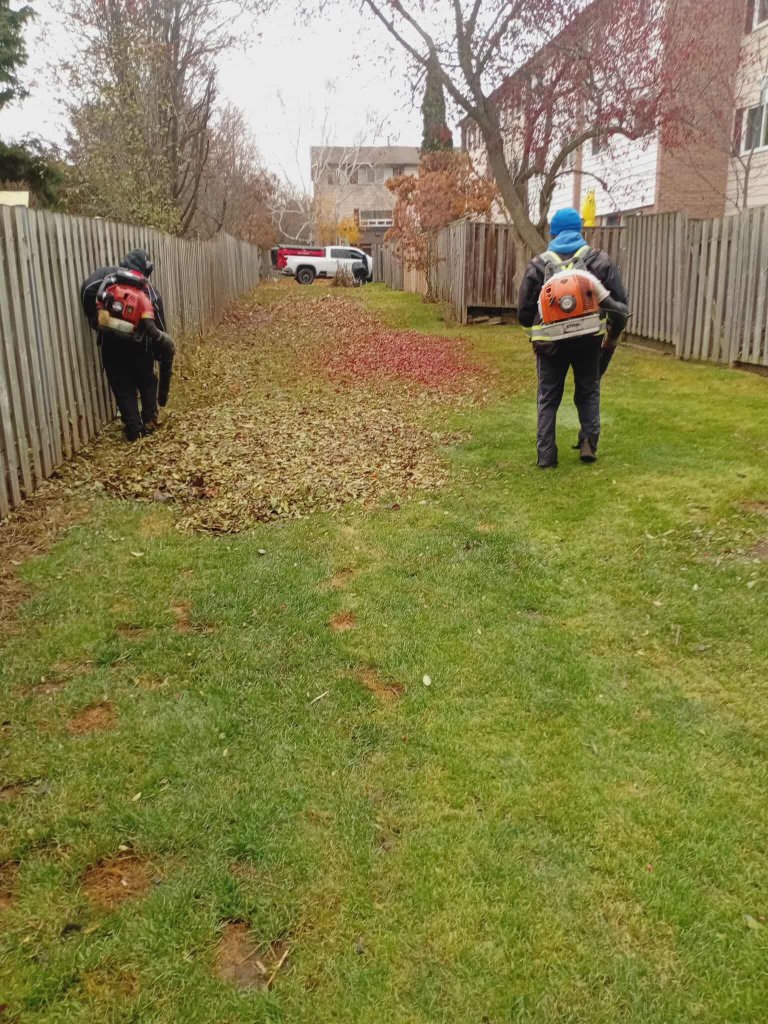
That gives you a working window from mid-October through November. Most winterizing jobs fit after the first light frosts and before the ground freezes hard. For leaf cleanups, late October to mid-November usually works best in Durham Region, once most leaves have fallen but before the first heavy snow.
Your Garden Winterizing Checklist
| Task | When | Why |
|---|---|---|
| Water evergreens and new plantings deeply | Through October, until freeze-up | Roots in frozen soil cannot replace water lost to winter wind and sun |
| Remove diseased or pest-damaged plants | Late October to November | Keeps those problems from overwintering in the bed |
| Leave healthy stems and seed heads | All winter | Shelter and food for native bees, butterflies and birds |
| Clear matted leaves off the lawn | Late October to mid-November | Thick leaf mats lead to snow mould and dead patches |
| Put up burlap screens and tree guards | November, before heavy snow | Protection from salt spray, winter burn and rabbits |
| Shut off and drain outdoor taps | Before the first hard freeze | Prevents frozen, split pipes and faucets |
| Mulch perennial beds | After the ground freezes | Keeps the soil from freezing and thawing over and over |
Cut Back Some Perennials, Leave Others Standing
The old habit of cutting everything to the ground in fall is not the best approach for most gardens. Illinois Extension recommends leaving some spent flower stems standing, because native bees such as leafcutter and mason bees nest in hollow stems and emerge in spring. Butterflies also overwinter as pupae attached to dry stems.
Seed heads on plants such as coneflowers, sunflowers and native grasses add winter interest and feed birds through the cold months. Leave those for spring.
The exception is any plant that had disease or pest problems this year. Illinois Extension advises cleaning up that plant debris in fall, so the problem does not overwinter in your beds. Mildewed foliage, leaves with spots or blight, and stems with insect damage should be cut back and removed from the property, not composted in the bed.
Leaves: Off the Lawn, Into the Beds
Leaves are useful in one place and harmful in another. A thick, wet mat of leaves left on grass blocks light and holds moisture, which leads to snow mould and dead patches in spring. Our fall lawn care guide covers how to handle leaves on the lawn.
In garden beds, a layer of leaves does the opposite. It insulates the soil and gives overwintering insects somewhere to shelter. Illinois Extension suggests raking some leaves into your beds, where they break down and feed next year's plants. If you book a professional cleanup, mention any beds where you would like a leaf layer left in place.
Water Evergreens Until Freeze-Up
Evergreens keep losing water through their needles and leaves all winter, but once the ground freezes their roots cannot replace it. The result is winter burn: brown or bleached foliage, usually on the south, southwest and windward sides. The University of Minnesota Extension notes that yew, arborvitae and hemlock are most susceptible.
Its advice is to water slightly less in September so plants harden off, then water thoroughly through October until freeze-up. Watering only at the very end of fall does not help much. If the fall has been dry, give new trees and shrubs a heavy watering before the ground freezes. The same source found that anti-desiccant sprays are not effective, so skip them.
Mulch at the Right Time
Mulch protects roots, but timing matters. For newly planted trees and shrubs, the University of Minnesota Extension recommends 3 to 4 inches of shredded wood mulch over the roots, pulled back about 6 inches from the trunk in a donut shape. Mulch piled against the trunk can make roots form there that later girdle the tree.
For perennial beds, the goal of winter mulch is to keep the soil frozen, not to keep it warm. Penn State Extension explains that mulch applied once the ground is frozen buffers the soil against repeated freezing and thawing. That cycle can heave plants out of the ground, according to the University of Minnesota Extension. Leave a few patches of bare soil, too: many native bees nest in the ground. Our guide to what mulch is and how to use it explains the types.
Protect Plants Near Driveways and Roads from Salt
De-icing salt damages plants in two ways: spray from passing plows and traffic injures buds, needles and stems, and salty meltwater soaks into the soil around roots. The University of Wisconsin-Madison Extension notes that damage is usually worst on the side of the plant facing the road and where salty runoff collects.
To protect beds along driveways, walkways and the street:
- Put up a burlap or snow-fence screen on the road side of exposed shrubs in late fall.
- Do not shovel or blow salty snow onto garden beds.
- Clear snow early and use the least ice melt you need, only where you need it.
Our snow removal tips include a table of which ice melts work at which temperatures.
Shield Shrubs and Young Trees from Wind, Sun and Rabbits
A few simple guards prevent most winter damage to shrubs and young trees. The University of Minnesota Extension recommends:
- Burlap screens on the south, southwest and windward sides of exposed evergreens, with the top left open for air and light. A screen works better than wrapping the whole plant tightly.
- White tree guards on the trunks of young and thin-barked trees, such as maple, cherry, crabapple and linden, to prevent sunscald. Keep them on newly planted trees for at least two winters, and remove them in spring.
- Hardware cloth cylinders (1/4-inch mesh) about 6 inches out from the trunk, reaching 18 to 24 inches above the expected snow line for rabbits and 2 to 3 inches below the soil for mice.
- Short grass near young trees. Cutting grass short within about 2 feet of young trees removes cover for mice and voles that chew bark.
- Tied-up evergreens. Loosely tying upright evergreens such as arborvitae and juniper keeps heavy snow from splaying or breaking them. Remove the ties in spring.
Avoid pruning shrubs after August, because new growth will not harden off before winter.
Shut Off Outdoor Taps and Store Hoses
Water left in an outdoor faucet or hose can freeze and split the pipe. The American Red Cross advises removing, draining and storing garden hoses, closing the indoor valve that supplies each outdoor faucet, and then opening the outdoor faucet so the remaining water drains out.
Common Questions
What perennials should not be cut back in the fall?
Leave healthy plants with seed heads, such as coneflowers, sunflowers and native grasses, and plants with hollow stems that native bees nest in. Cut back and remove anything that had disease or insect problems this year.
Should I leave leaves on my garden beds over winter?
Yes, a layer of leaves in garden beds insulates the soil and shelters overwintering insects. Keep leaves off the lawn, though, where a wet mat smothers the grass.
When is it too late to winterize a garden?
Watering has to happen before the ground freezes, and burlap screens and tree guards are easiest to install before heavy snow. Cleaning up diseased plants and mulching can happen any time until the beds are snow covered; winter mulch actually belongs on frozen ground.
Do I need to wrap my shrubs in burlap?
Only exposed evergreens and plants near roads or driveways usually need protection. Use a burlap screen on the sunny, windy or road side and leave the top open, rather than wrapping the whole plant.
Let Us Handle the Fall Cleanup
If you would rather not spend a weekend on the rake, our yard cleanup service clears leaves and debris from the whole property in a single visit and can top up your beds with fresh mulch at the same time. For ongoing care, our garden maintenance service includes pruning, bed care and seasonal adjustments from spring through fall. Getting the grass ready too? See our guide to preparing your lawn for winter.
Contact us for a free quote anywhere in Durham Region.
Sources: Current Results, Oshawa temperatures (Environment Canada 1981 to 2010 climate normals); University of Minnesota Extension, Protecting trees and shrubs in winter; Illinois Extension, Consider pollinators during fall garden cleanup; University of Wisconsin-Madison Extension, Winter salt injury and salt-tolerant landscape plants; Penn State Extension, Preventing winter burn on evergreen landscape plants; American Red Cross, Preventing and thawing frozen pipes.